日常漢字
Everyday Kanji
home Home

Explore Quests

Yamanote Quest Prefectures Quest Verbs Quest
Yamanote Line Quest

Yamanote Quest

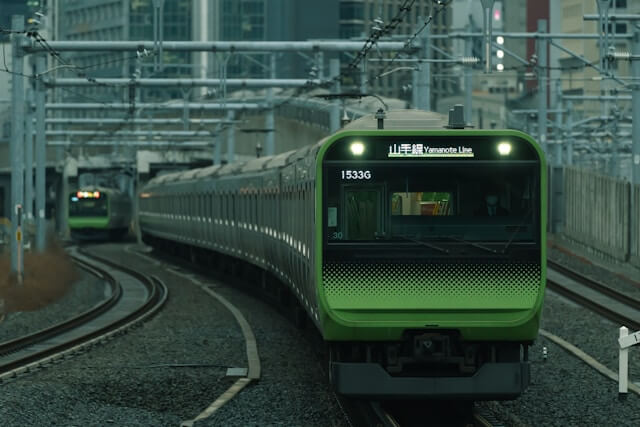
The Yamanote Line is Tokyo's most iconic railway loop, conecting the city's mayor districts since 1925. This 34.5km circular line serves as the lifeline of modern Tokyo, carrying over 3.5 million passengers daily through 30 strategically placed statios.

From the neon-lit enterteinment district of Shibuya to the traidtional gardens of Ueno, each station tells a story of Japan's remarkable transformation. The line's distinctive apple-green trains have become synonimous with Tokyo itself, appearing in countless films and representing the pulse of urban Japan.

Now you can study Japanese by exploring these legendary stations while mastering kanji.

Quiz Mode

Test your knowladge with all 30 Yamanote line station.

Short Runs

Quick 10-station random quizes.

Study Mode

import_contacts

Explore the station

Navigate through all Yamanote line stations and learn the reading of each kanji without pressure.

trophy

30 Stations

Complete the full loop of the Yamanote line.

Study Mode

Choose a card to start learning

arrow_circle_left
arrow_circle_right

Click on any card to start studying from there.

Quiz Mode

Choose how you want to practice the Yamanote Journey with all 30 stations.

Select quiz type.

Kanji arrow_right_alt Romaji

Kanji arrow_right_alt Hiragana

Romaji arrow_right_alt Kanji

Hiragana arrow_right_alt Kanji

Quiz Complete!

0 / 100

Accuracy

★★★
★★★

cancel

Need Review

check_circle

Total Cards

directions_railway_2

Journey

Ordered

translate

Quiz Type

Kanji → Romaji

Review your mistakes

Reading Guide

Every station in this app is classified according to the way its name is pronounced. Learning these patterns will help you recognize and remember Japanese place names more naturally.

🔵 On'yomi (音読み)

Chinese-derived readings used in many compound words. Example: 東京 → 東 () + 京 (kyō) = Tōkyō.

🔴 Kun'yomi (訓読み)

Native Japanese readings. Each kanji keeps its own Japanese pronunciation. Example: 上野 → 上 (ue) + 野 (no) = Ueno.

🟢 Jukujikun (熟字訓)

Some words are read as a whole and cannot be pronounced by combining the readings of each kanji. Example: 秋葉原 is read Akihabara, not "Aki-Ha-Hara."

🟣 Mixed Readings

Some station names combine different reading types. Example: 新宿 → 新 (shin, On'yomi) + 宿 (juku, Kun'yomi).

Long Vowels

This app uses macrons in Romaji to show long vowels. For example: Tōkyō, Ōtsuka, and Yūrakuchō.

About This App

This app teaches complete station names on Tokyo's Yamanote Line. Each study card explains the reading type, the meaning of the kanji, and a short story to make every station easier to remember.