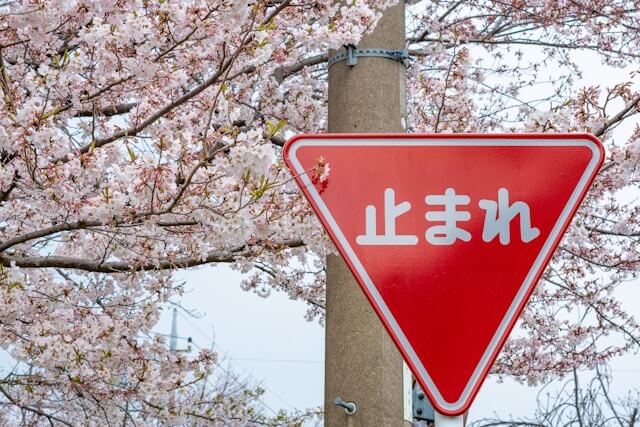
Everyday Verbs are the actions that shape daily life in Japan.
From ordering food and taking trains to working, studying, and meeting people, these 50 essential verbs appear everywhere in everyday conversations and signs.
Japanese verbs reveal how people interact with the world around them.
From 行く (to go) and 食べる (to eat) to 見る (to see) and 話す (to speak), each word helps you understand real situations you encounter in Japan.
Now you can study Japanese by mastering the actions you will see and hear every day.
Test your knowledge with the 50 most useful everyday verbs.
Quick 10-verb random quizzes.
Discover the most common Japanese actions and learn how they appear in everyday life.
Master the essential actions of everyday Japanese.
Choose a card to start learning
Click on any card to start studying from there.
Choose how you want to practice Everyday Verbs with all 50 essential actions.
Accuracy
Ordered
Kanji → Romaji
Every station in this app is classified according to the way its name is pronounced. Learning these patterns will help you recognize and remember Japanese place names more naturally.
Chinese-derived readings used in many compound words. Example: 東京 → 東 (tō) + 京 (kyō) = Tōkyō.
Native Japanese readings. Each kanji keeps its own Japanese pronunciation. Example: 上野 → 上 (ue) + 野 (no) = Ueno.
Some words are read as a whole and cannot be pronounced by combining the readings of each kanji. Example: 秋葉原 is read Akihabara, not "Aki-Ha-Hara."
Some station names combine different reading types. Example: 新宿 → 新 (shin, On'yomi) + 宿 (juku, Kun'yomi).
This app uses macrons in Romaji to show long vowels. For example: Tōkyō, Ōtsuka, and Yūrakuchō.
This app teaches complete station names on Tokyo's Yamanote Line. Each study card explains the reading type, the meaning of the kanji, and a short story to make every station easier to remember.